
Department Overview & Philosophy
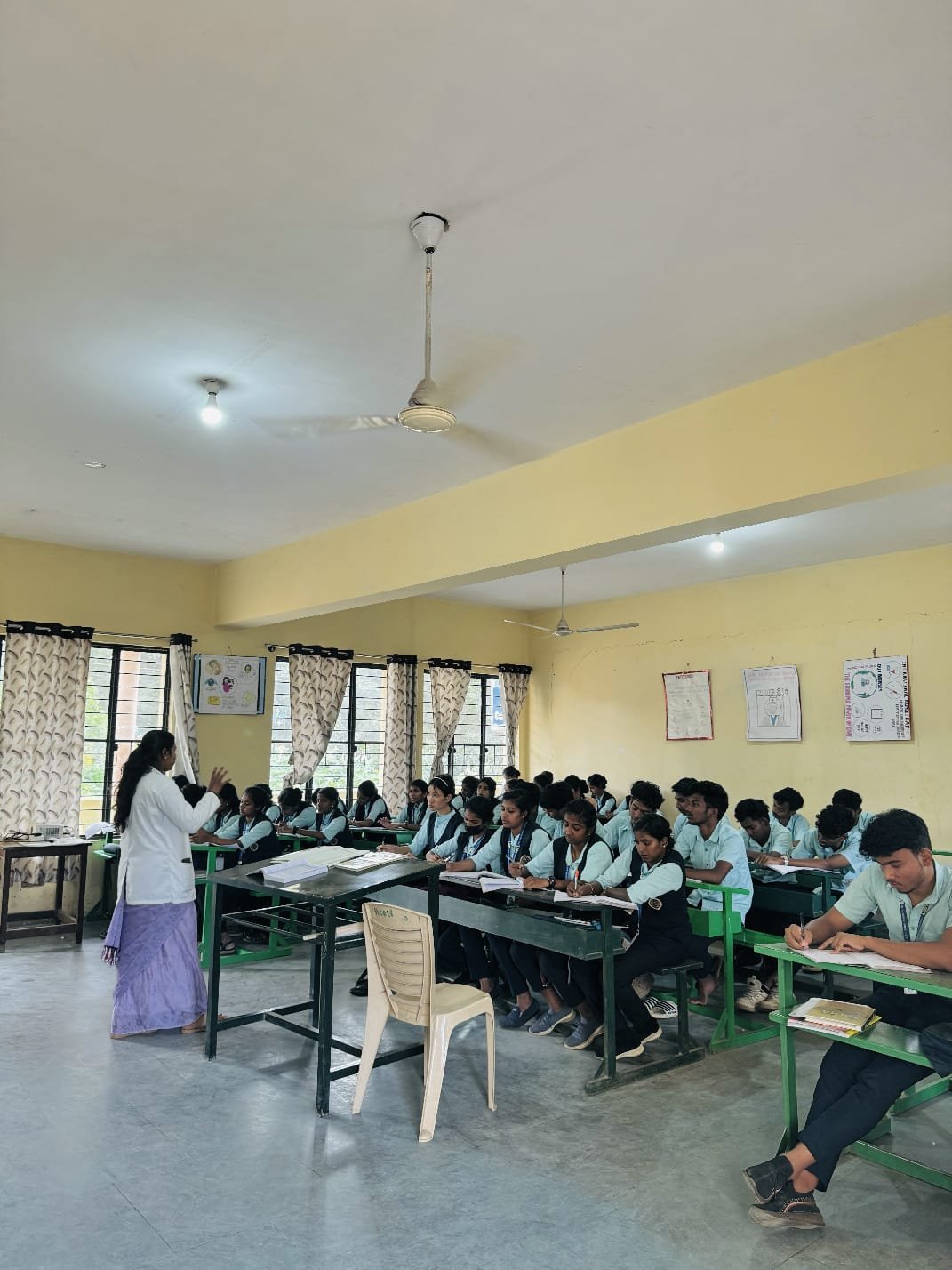
Hita College of Nursing has a state-of-the-art Nutrition laboratory with all modern amenities for preparing students to formulate various kinds of diets. The nutrition lab is where students learn to prepare normal and therapeutic diets.
Students learn to prepare different types of exhibits for health education related to nutrition and diet therapy. Under the guidance of a qualified dietitian, they learn to prepare normal and therapeutic diets for various age groups and disease conditions without losing nutrients. We inspire our student nurses to understand the importance of nutrition and its role in disease prevention and healing.
Department Vision
To lead in educating healthcare providers on the critical synergy between clinical nutrition, biochemical balance, and patient recovery across diverse clinical contexts.
Department Mission
- To empower future nurses with scientific dietary assessment skills, customized therapeutic meal planning capabilities, and nutritional advocacy for patient rehabilitation.
Key Learning Goals & Specific Objectives
Students enrolled in this department achieve rigorous clinical competencies:
- Master normal and therapeutic diet formulation for pediatric, adult, geriatric, and convalescent patients.
- Understand nutritional biochemistry, macro and micronutrient requirements, and food safety standards.
- Learn food preparation methods that preserve essential vitamins, minerals, and caloric integrity.
- Design educational exhibits, diet charts, and community malnutrition awareness programs.
Laboratory Infrastructure & Equipment
Equipped with modern culinary workstations, caloric calculation software, dietetic scale balances, food composition charts, refrigeration units, and clinical nutrition simulation equipment.
Clinical Postings at We Care Multi-Speciality Hospital
Theoretical learning and simulation lab practice in this department are directly complemented by clinical rotations at our attached parent hospital, We Care Multi-Speciality Hospital. Students actively interact with patients, participate in morning clinical rounds, and observe complex cases under senior nursing supervisors.